Halloween decorating has quietly turned into one of the most personal forms of home styling. It’s no longer about grabbing a bag of plastic spiders from the discount aisle and calling it a day. People are now building entire “aesthetics” around the season — the same way they’d plan a living room makeover or a wardrobe capsule. Scroll through any home decor corner of the internet in September and you’ll see it: color-coded pumpkin displays, moody candlelit corners, thrifted vintage finds styled like museum pieces.
So if you’ve been wondering what’s actually trending this year — and which style fits your own taste — here’s a breakdown of the aesthetics shaping Halloween decor in 2026.
Why Halloween Decor Became an “Aesthetic” in the First Place
A few years ago, Halloween decorating was seasonal and simple. Now it sits alongside cottagecore, dark academia, and minimalism as its own recognizable style category. Part of this shift comes from social media — a well-styled Halloween corner photographs beautifully, and that pushes people to think more intentionally about color palettes, textures, and themes rather than just piling on generic decorations.
The other part is emotional. Halloween decor lets people express a side of their personality that doesn’t usually show up in everyday home design — whether that’s whimsical, eerie, nostalgic, or elegant. That’s why the trends below don’t all look alike. They cater to very different moods.
Retro & Vintage-Inspired Halloween
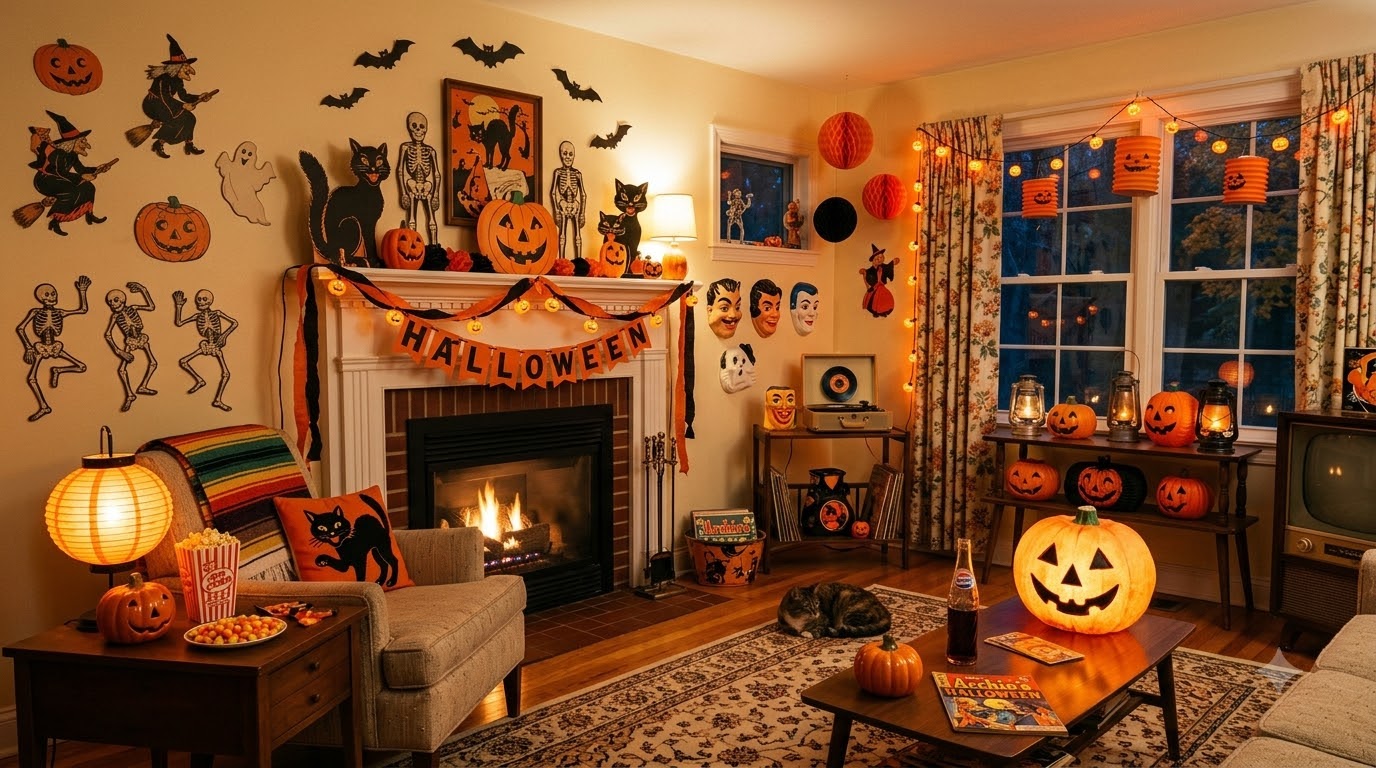
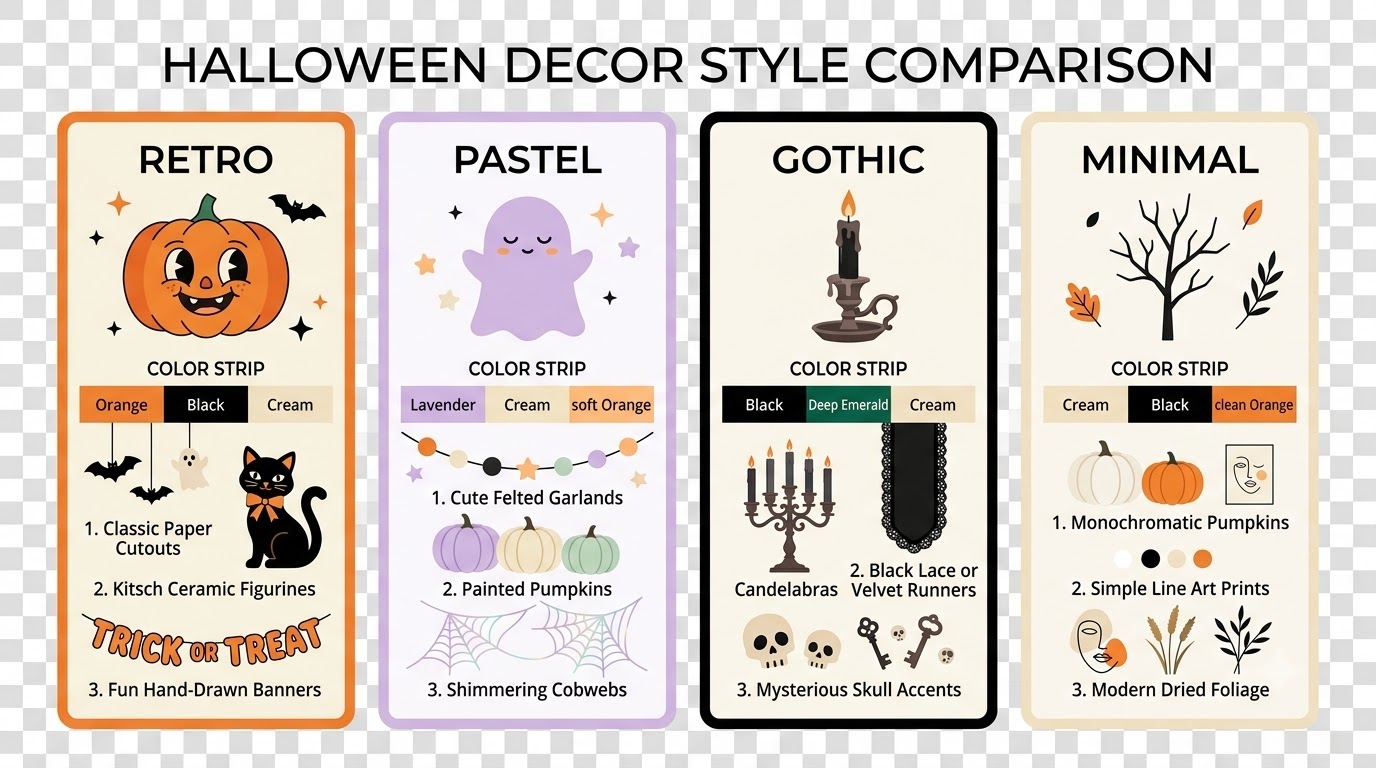
Nostalgia is arguably the strongest force in home decor right now, and Halloween is no exception. This trend leans on decorations that feel like they were pulled from a mid-century classroom party — think die-cut paper pumpkins, cardboard skeletons with jointed limbs, and cheerful black cats printed in that classic bold, flat style.
What makes it work: these pieces feel warm and playful rather than scary, which is why they’re popular with families and anyone who associates Halloween with childhood memories.
How to style it: look for reproduction decorations based on early-to-mid 20th century designs, mix in some genuinely aged thrift-store finds if you can, and keep the color palette to classic orange, black, and cream rather than modern neon shades.
Soft, Pastel Halloween
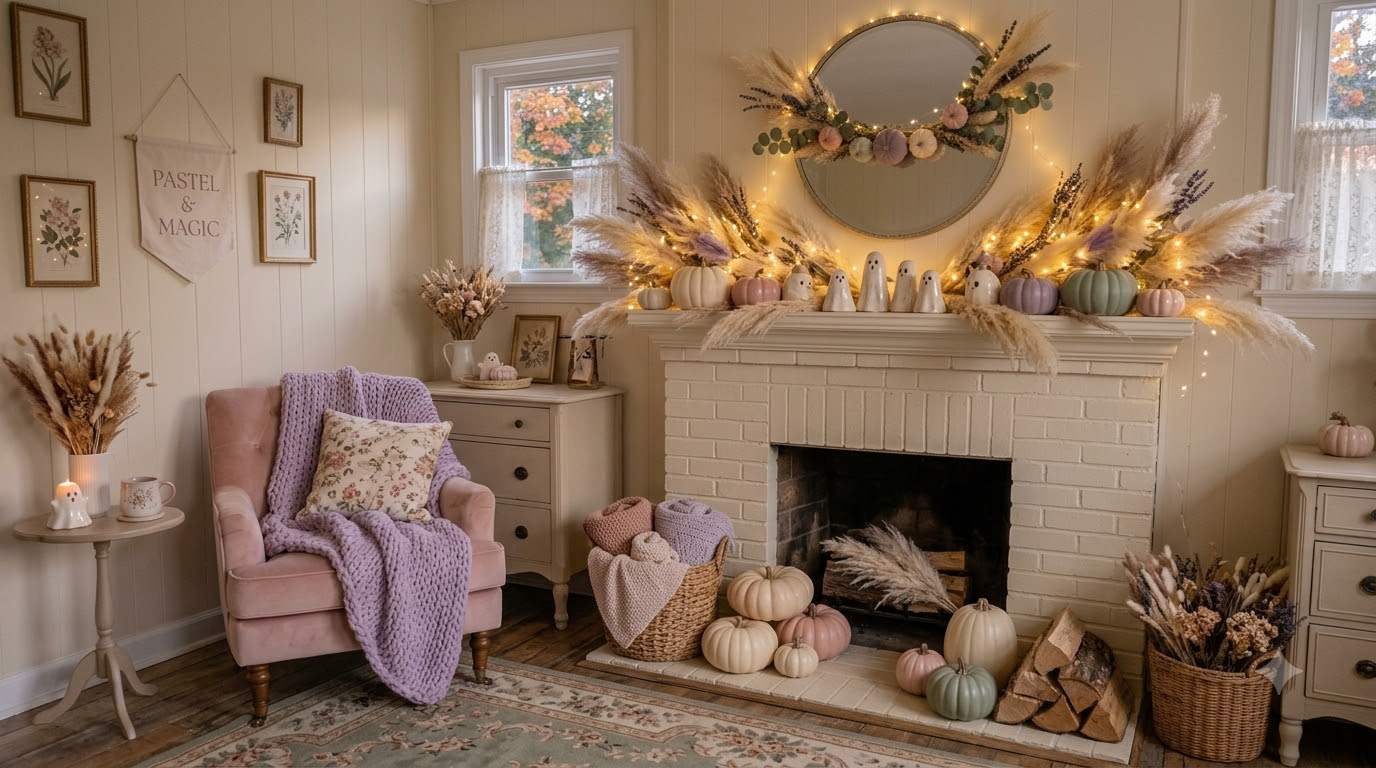
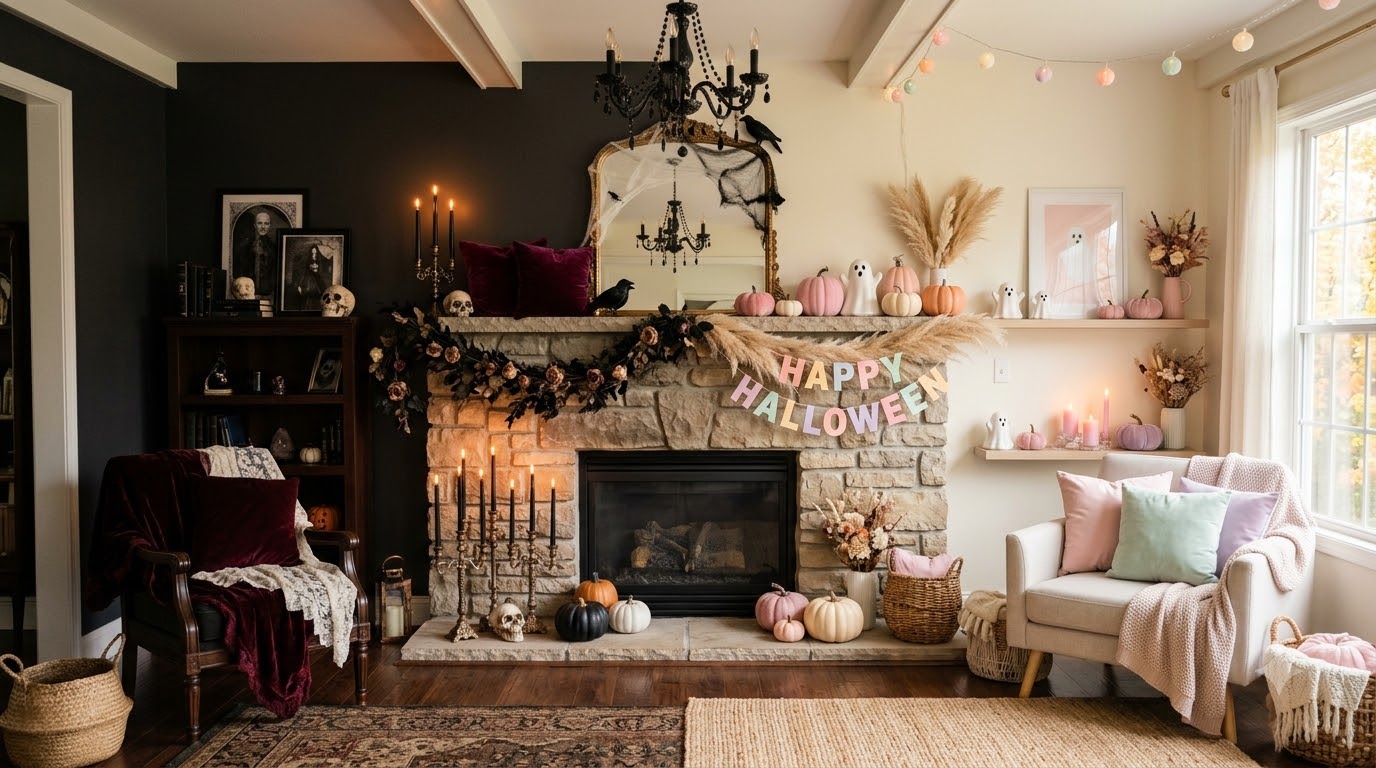
Not everyone wants their home to look like a haunted basement in October, and that’s exactly the gap this trend fills. Soft pastel Halloween swaps the usual black-and-orange scheme for blush pink, lavender, sage green, and cream, paired with gentle motifs like ghosts, moons, and cats rather than anything gory.
What makes it work: it lets people start decorating early — even in late summer — without the space feeling heavy or out of season. It also blends naturally into homes that already lean toward a softer, cottage-inspired look the rest of the year.
How to style it: pastel pumpkins (real or faux), iridescent or matte ceramic ghost figurines, dried pampas grass instead of cobwebs, and warm fairy lights instead of harsh spotlighting.
Gothic & Old-World Elegance
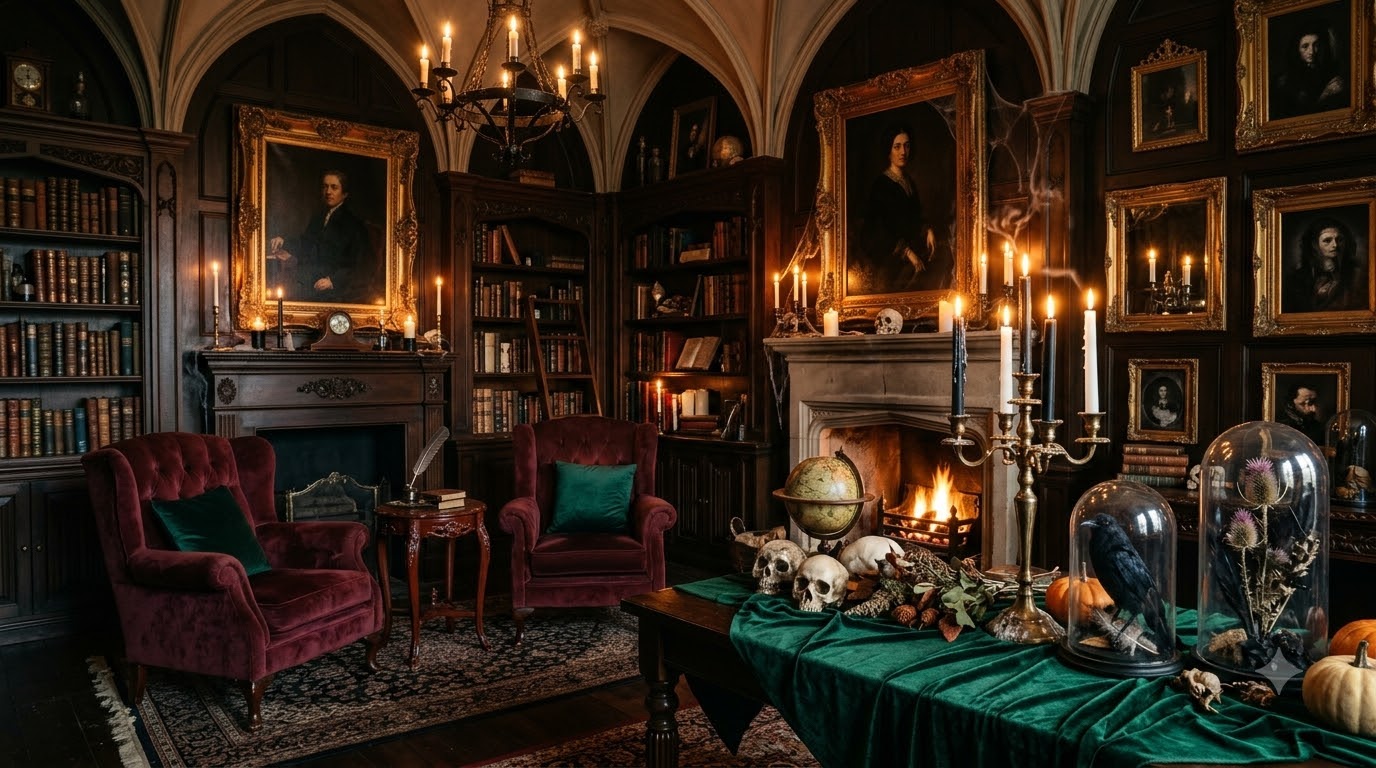
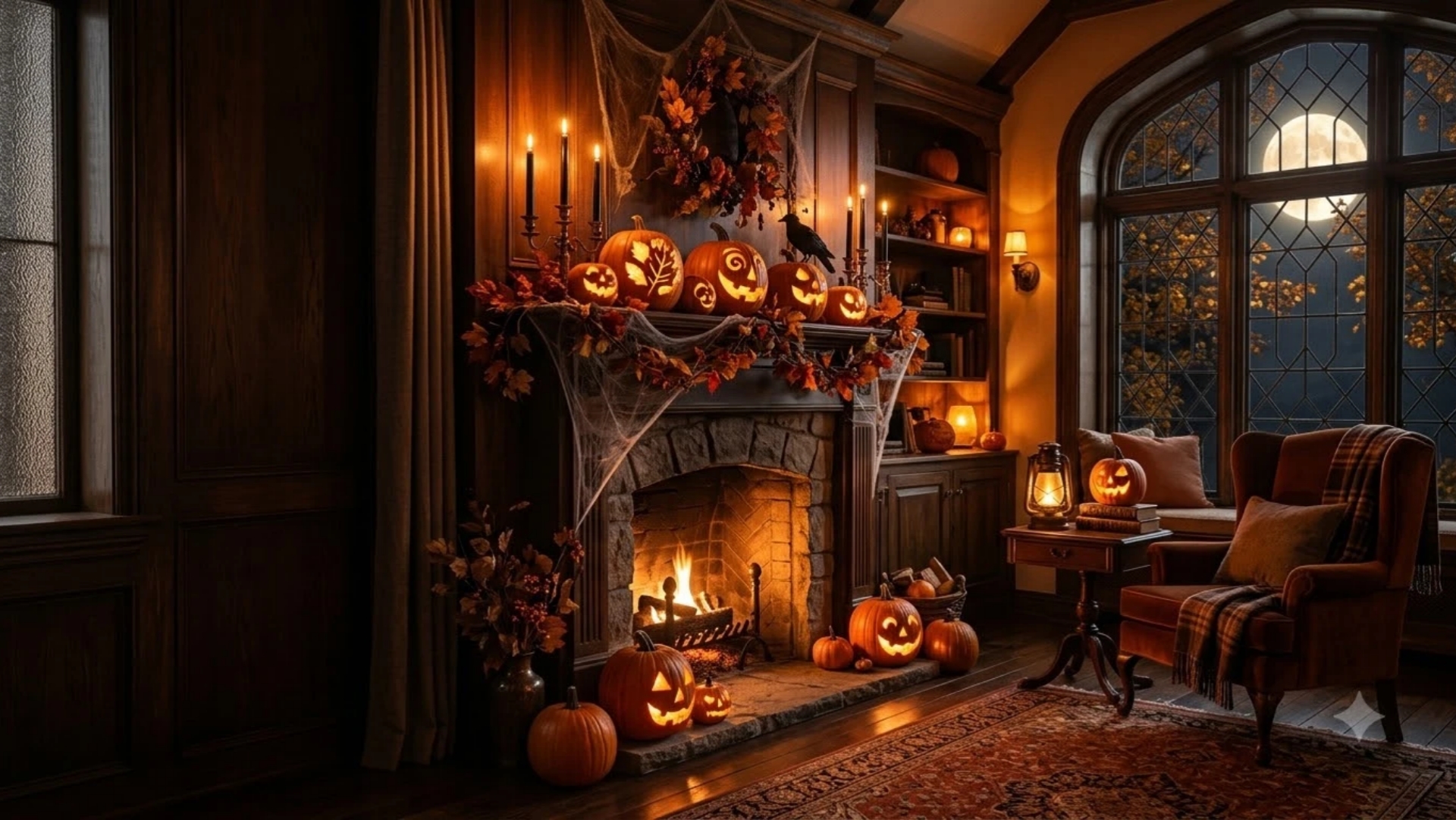
On the opposite end of the spectrum is a style built around drama and sophistication rather than cuteness. This aesthetic draws from Victorian mourning decor and old library interiors — deep jewel tones, aged brass, candle wax, and portraits that look like they belong in a forgotten estate.
What makes it work: it turns Halloween into something closer to a design statement than a themed party, which appeals to people who want their decor to feel intentional year-round, not just during October.
How to style it: pair black accents with burgundy or emerald green, use tall taper candles (dripping wax adds authenticity), display bell jars or cloches with small curiosities inside, and swap generic frames for ornate gold ones.
Quiet, Minimal Halloween
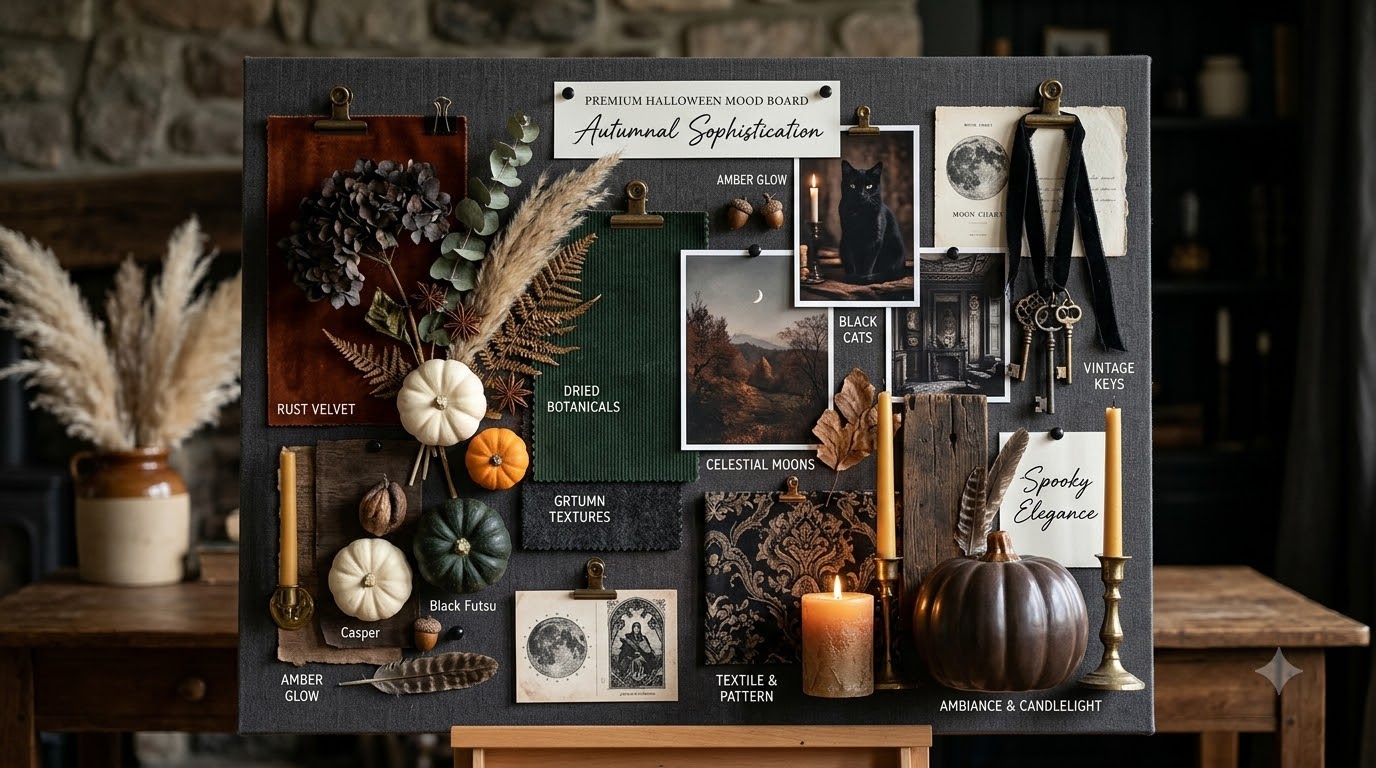
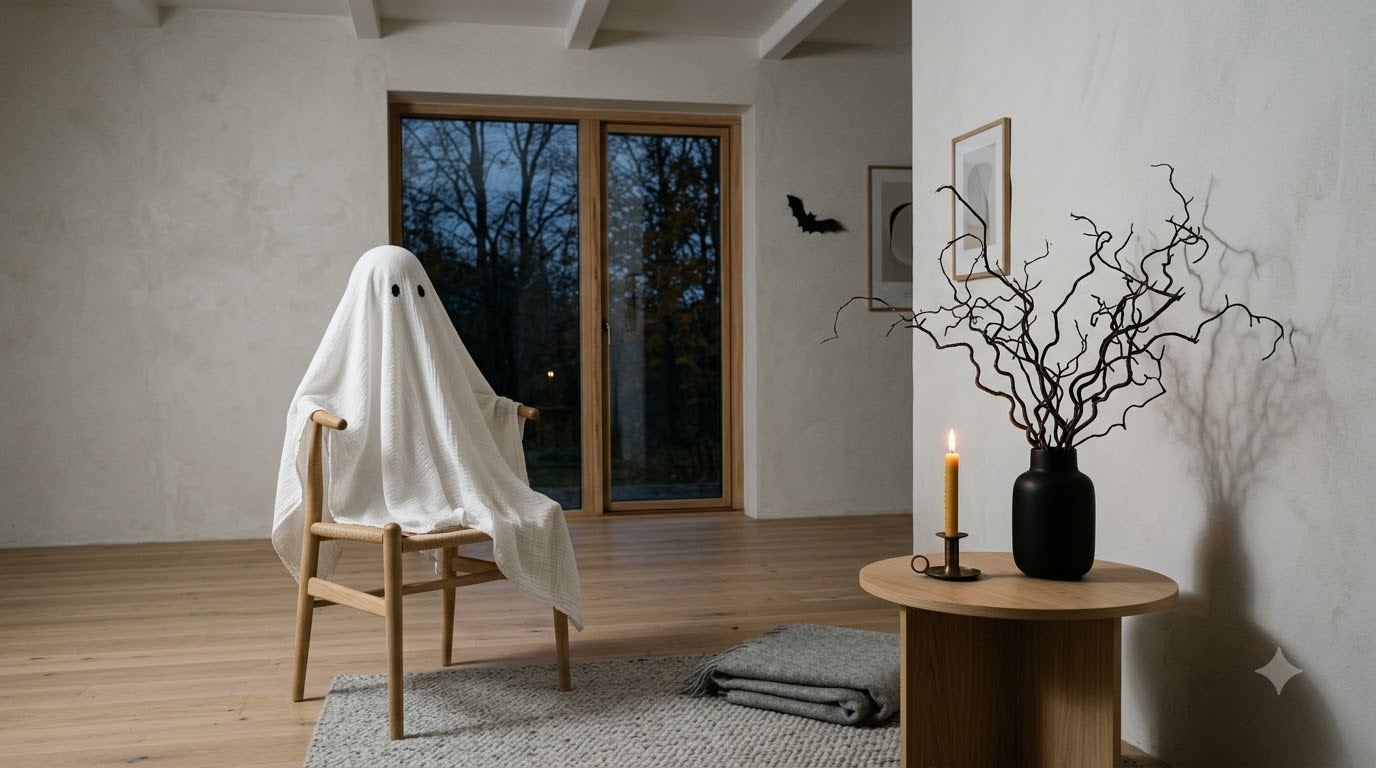
The newest shift is away from “more is more” entirely. Instead of covering every surface, this approach uses just a few deliberate pieces to suggest something eerie without cluttering the space — closer to how a horror film builds tension through what it doesn’t show.
What makes it work: it suits smaller homes, rental spaces, or anyone who simply prefers a cleaner look but still wants to mark the season.
How to style it: a single draped white sheet over a chair, one dramatic light source instead of several, bare twisted branches in a tall vase, and empty space left intentionally rather than filled.
You Don’t Need to Redecorate the Whole House
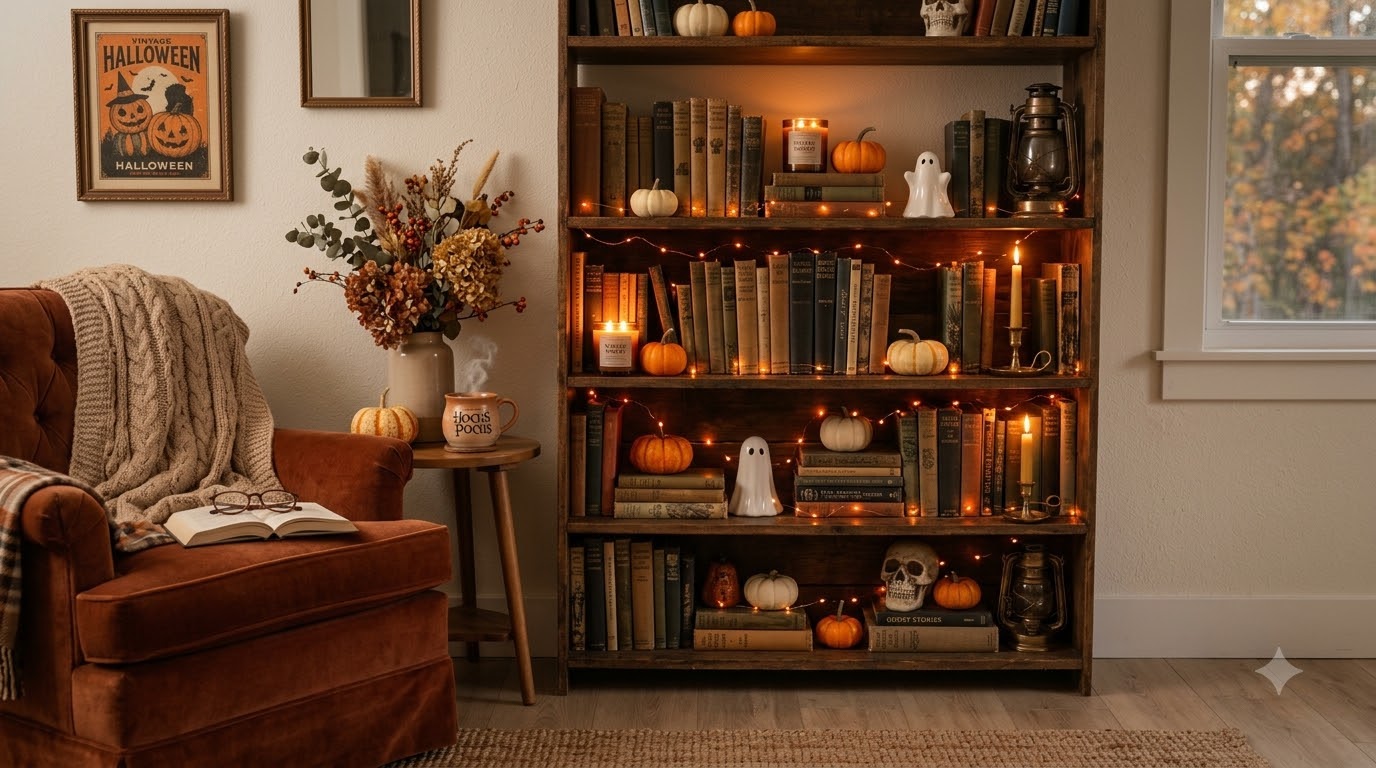
One of the easiest ways to try any of these aesthetics is to start small. A single shelf, a coffee table, or an entryway console is enough to test out a theme before committing further. Many people now build what’s essentially a “Halloween corner” — one dedicated spot that carries the full aesthetic — rather than transforming every room.
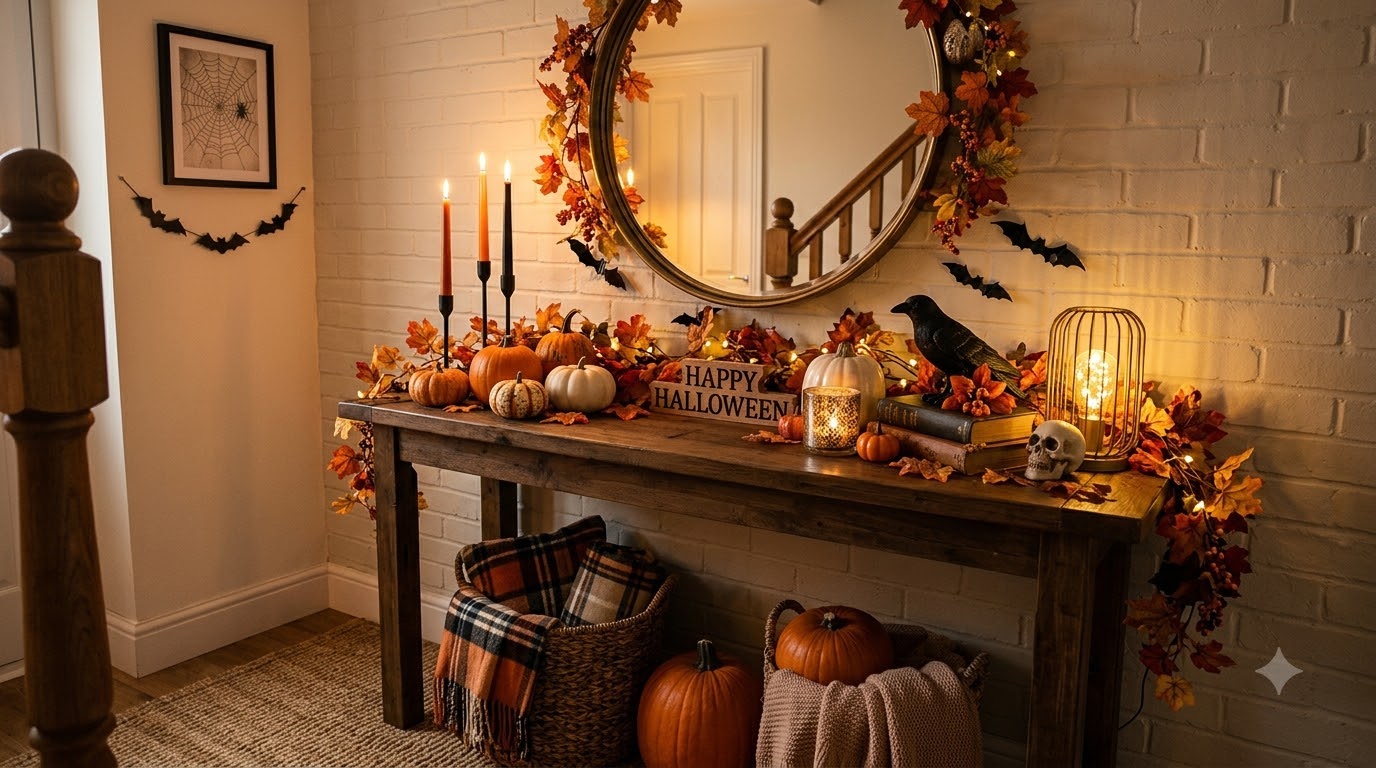
This approach also makes it easier to mix styles. You might keep your living room minimal and gothic while letting a bookshelf go full pastel-ween. There’s no rulebook here; the trends are simply a starting point for figuring out what actually feels like you.
Frequently Asked Questions
Which Halloween aesthetic is easiest for beginners? Vintage-inspired decor is usually the simplest starting point. The pieces are widely available, inexpensive, and forgiving — there’s no strict color rule to follow, so mismatched items still look intentional.
Can I combine more than one aesthetic? Yes, and many people do. A common combination is gothic elegance in main living spaces with a softer, pastel touch in bedrooms or reading nooks.
When should I start decorating if I want the pastel look? Because pastel-ween avoids dark, heavy tones, it works well even in late summer — many people set it up in August without the space feeling out of season.
Is minimalist Halloween decor cheaper than other styles? Often, yes. Since the whole point is fewer, more deliberate pieces, you typically spend on one or two statement items rather than a large volume of decorations.
Looking to build your own Halloween aesthetic this year? Start with one shelf, one color palette, and one mood — the rest tends to fall into place.